“BeautY should never come at the cost of our health or our environment”


Safer Beauty Is a Public Health Issue.
Beauty and personal care products are used daily, often multiple times a day, and over the course of a lifetime. From a public health perspective, this makes them a meaningful and ongoing source of chemical exposure rather than a purely cosmetic concern.
Many ingredients commonly found in personal care products have been linked in scientific literature to hormone disruption, respiratory irritation, reproductive health concerns, and environmental contamination. These exposures do not occur in isolation. They accumulate over time and interact with other environmental stressors, particularly in the absence of comprehensive ingredient disclosure and modern safety oversight.
In the United States, cosmetics and personal care products are regulated under an outdated framework that has not kept pace with advances in toxicology or public health science. As a result, numerous chemicals remain legal and widely used despite growing evidence of potential harm. This regulatory gap shifts responsibility away from manufacturers and onto consumers, requiring individuals to navigate complex safety information without adequate transparency or protection.
Exposure is not experienced equally across populations. A growing body of public health and environmental health research shows that women of color experience higher cumulative exposure to certain cosmetic and personal care product chemicals, including substances linked to endocrine disruption, due to a combination of product formulation patterns, targeted marketing, occupational contact, and longstanding inequities in regulatory protection and enforcement. These disproportionate exposure burdens reflect broader public health and environmental justice challenges embedded within consumer product systems.
When beauty safety is understood as a public health issue, the focus moves beyond personal choice and toward prevention at the population level. It centers regulation, accountability, and science-based standards as the primary tools for reducing harm, protecting workers and consumers, and safeguarding environmental health.
Clean Beauty Coalition advances this public health approach by aligning beauty safety with modern scientific evidence, environmental responsibility, and policy solutions that prioritize long-term health outcomes for people and the planet.

Why This Matters
Personal care products are used daily, often multiple times a day, and across a lifetime, making them a consistent and unavoidable source of chemical exposure. Yet in the United States, cosmetics are regulated under a federal framework that has not been meaningfully updated since 1938, despite major advances in toxicology, exposure science, and public health research. Today, thousands of ingredients are legally permitted in beauty and personal care products without mandatory pre-market safety testing or evaluation for cumulative exposure.
Chemical exposures from beauty and personal care products do not end at individual use. Many ingredients persist in the environment, entering waterways, soil, and ecosystems through manufacturing, product disposal, and daily use. These environmental pathways contribute to ongoing human exposure, ecological harm, and long-term contamination that disproportionately affects communities already burdened by environmental health risks. Addressing cosmetic safety therefore requires not only protecting consumers, but also strengthening environmental safeguards across the full product lifecycle.
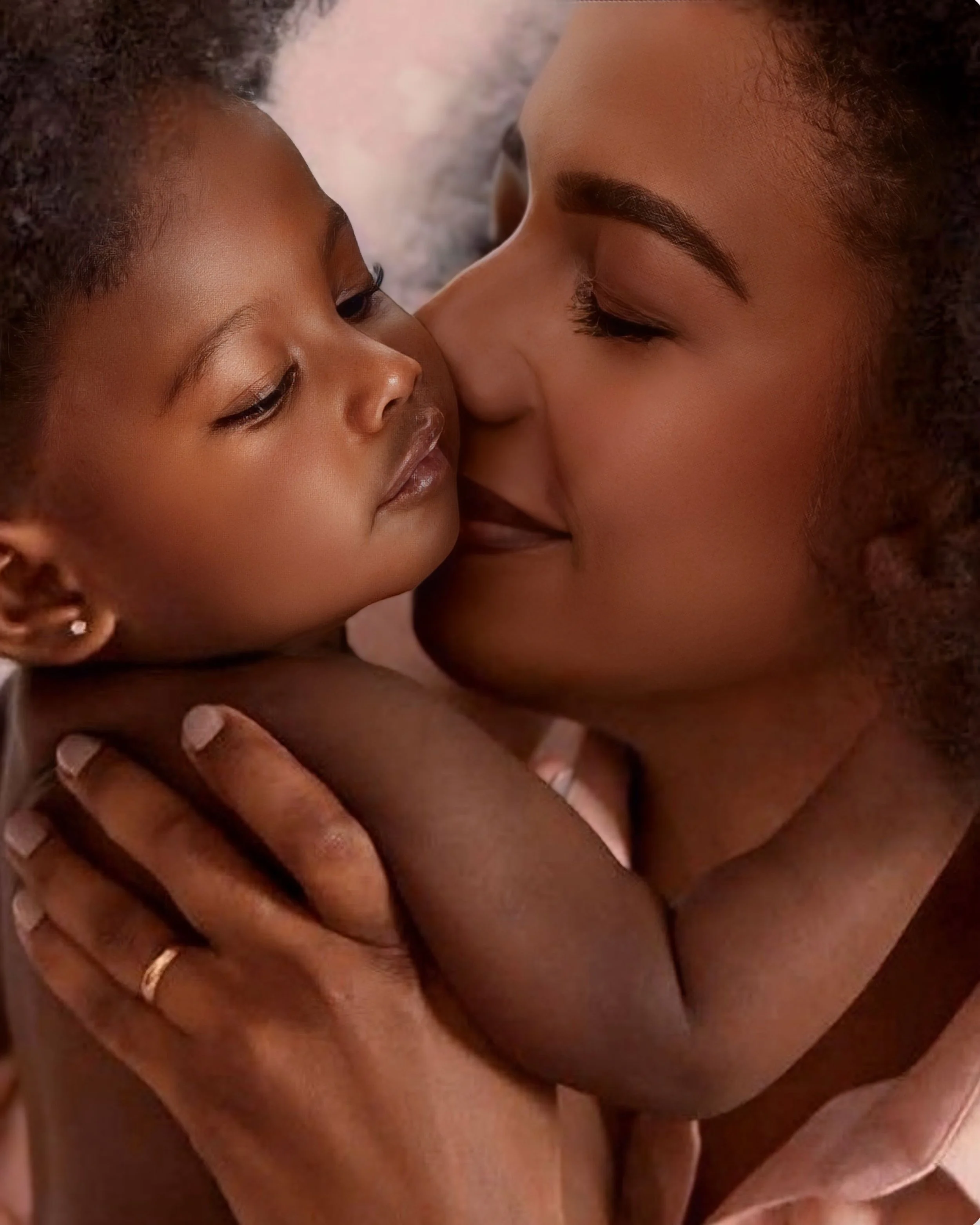
Research shows that exposure to hazardous cosmetic ingredients is not evenly distributed. Products marketed to Black women and girls are more likely to contain endocrine-disrupting chemicals, and studies show Black women experience significantly higher exposure to certain toxic ingredients compared to white women.
Despite being among the most frequent users of beauty products, Black women and girls remain underprotected by cosmetic regulations that fail to assess long-term health impacts or prioritize safety. Endocrine-disrupting chemicals commonly found in personal care products have been linked to early puberty, hormonal disruption, infertility, and increased risk of certain cancers, outcomes that disproportionately affect Black women and children.
This is not a matter of personal choice. It is a systemic public health failure.
Clean Beauty Coalition exists to shift the burden of safety from individuals to institutions, by advancing science-based standards, strengthening ingredient transparency, and driving policy reform that protects health, dignity, and environmental integrity.
Beauty should never come at the cost of health.
Personal care products are used daily, often multiple times a day, and across a lifetime, making them a consistent and unavoidable source of chemical exposure. Yet in the United States, cosmetics are regulated under a federal framework that has not been meaningfully updated since 1938, despite major advances in toxicology, exposure science, and public health research. Today, thousands of ingredients are legally permitted in beauty and personal care products without mandatory pre-market safety testing or evaluation for cumulative exposure.
Our Mission
“At Clean Beauty Coalition our mission is to protect public health and the environment by advancing safer, more sustainable and circular beauty practices through education, advocacy, and policy reform, prioritizing communities disproportionately impacted by toxic chemical exposure and environmental harm.”

Clean Beauty Coalition is a national advocacy nonprofit based in Georgia, working at the intersection of public health, environmental protection, and cosmetic safety regulation
We are led by industry experts who understand beauty from the inside. Our board and founder collectively bring more than four decades of combined experience across the beauty industry, with deep expertise in science, toxicology, chemistry, medicine, formulation, brand leadership, and regulatory systems.
This insider knowledge gives our advocacy credibility and force. We do not speculate about harm, we identify it, name it, and demand change using evidence, industry fluency, and public accountability. Our work applies sustained pressure to brands, retailers, and decision-makers to close safety gaps, raise standards, and prioritize health over profit.
Clean Beauty Coalition focuses on the systemic and regulatory conditions that shape chemical exposure in beauty and personal care products, including ingredient oversight, formulation standards, transparency requirements, and environmental impact. Our work is grounded in scientific research, public health data, and environmental health principles.
We engage policymakers, researchers, community partners, and industry stakeholders to translate evidence into action. Through education, coalition-building, and legislative engagement, we work to modernize cosmetic safety standards, strengthen accountability, and ensure that beauty and personal care products meet contemporary health and environmental expectations.

Clean beauty Coalition
Clean beauty Coalition

Clean beauty Coalition
Clean beauty Coalition

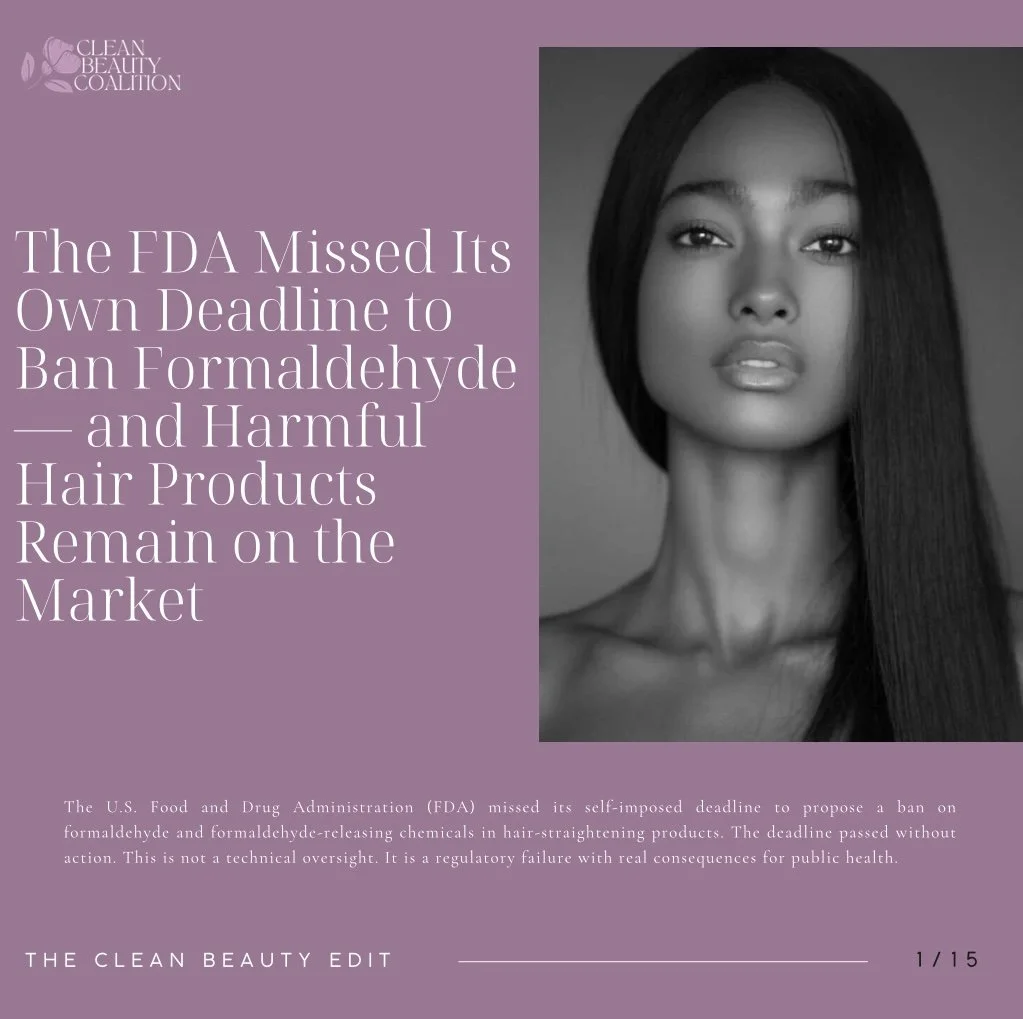
clean beauty News & Resources
Check out the trending posts on our blog
01.
02.
03.
04.
Event Calendar
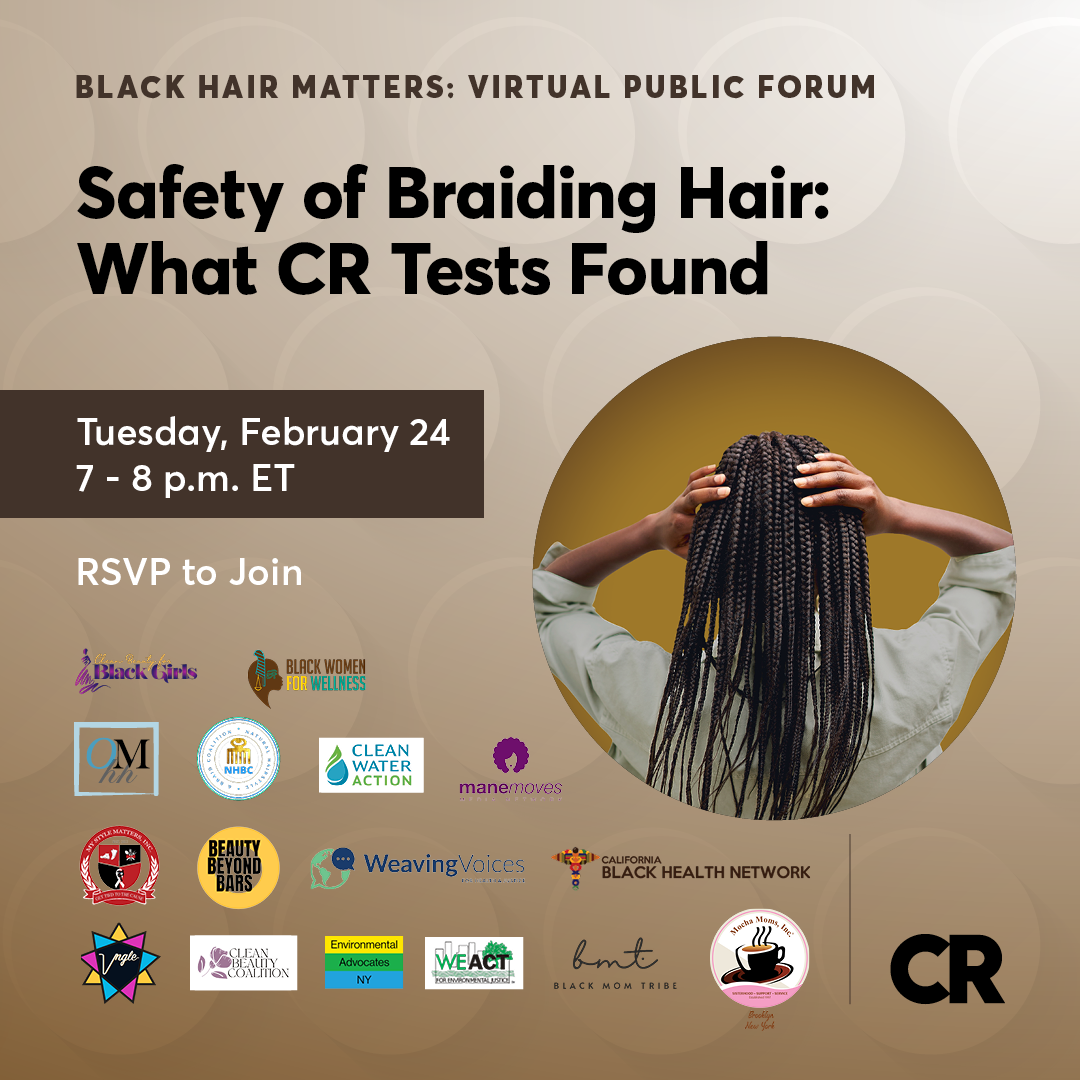
JOIN THE MOVEMENT
JOIN THE MOVEMENT
“Protecting women’s health also protects our planet and our future”
The clean beauty edit

Your inside look at the people, policies, and products shaping a safer, more sustainable beauty industry. Join us each month as we break down ingredient transparency, beauty justice, and the future of clean beauty—featuring candid conversations with founders, scientists, advocates, and changemakers. Be the first to know when we launch— subscribe for early access.